
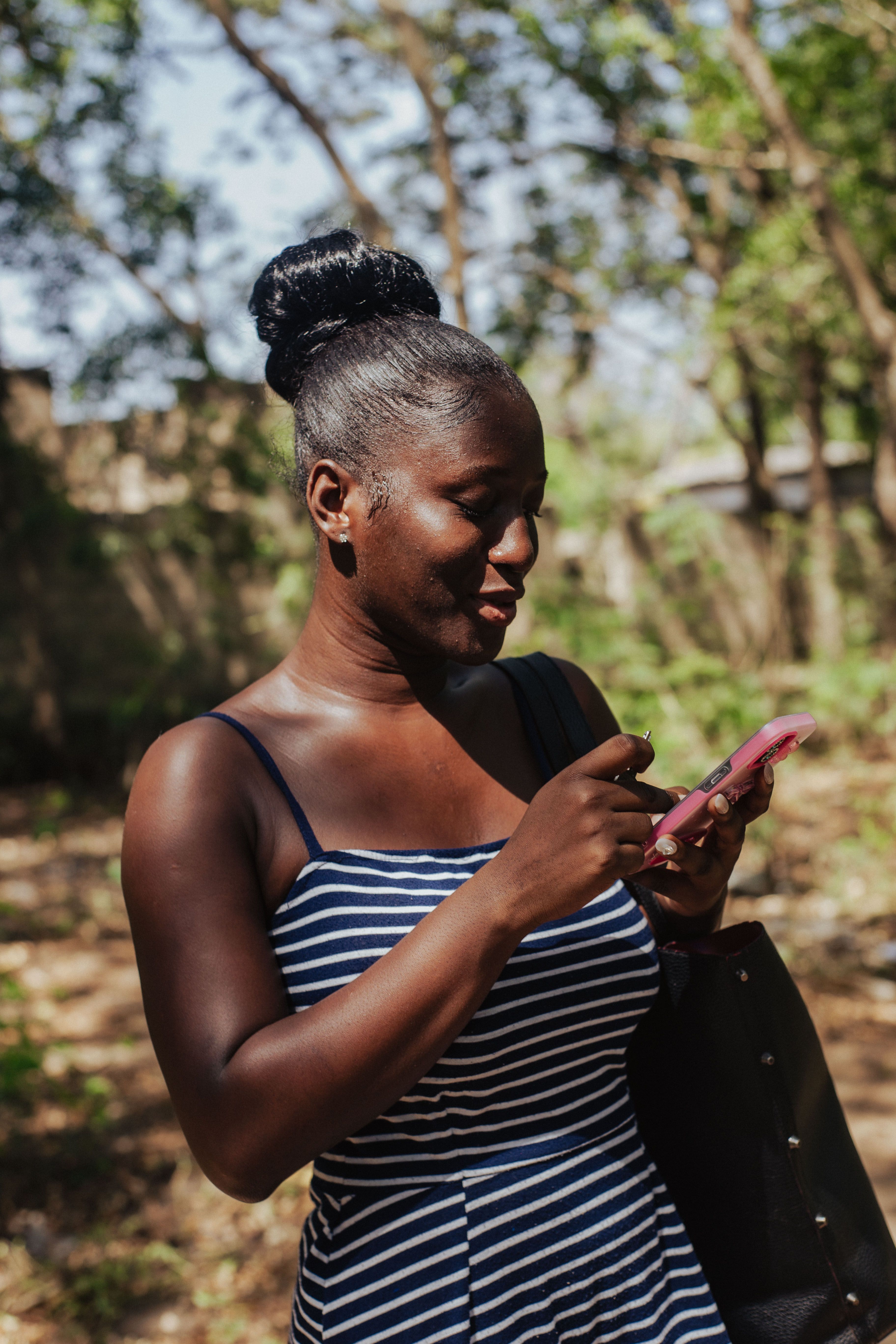
Patricia came to the 9am service on the invitation of a workmate, sat near the back, filled in a small visitor's card with her name and number in slightly rushed handwriting because the second service was already starting to fill in behind her, and left right after the closing prayer without speaking to anyone beyond a polite handshake at the door. By the time the ushers gathered the visitor cards into a small stack for the welcome team to review, it was already Tuesday, the way it usually was, and the welcome team lead was staring at a name written quickly enough that it could have been "Patricia" or "Patrisha," trying to remember which face went with which card.
This is the exact, unglamorous point where a lot of first-time visitors quietly become people a church never sees again. Not out of anyone's failure, exactly — just the ordinary friction of a busy Sunday, a stack of cards, and a welcome team with day jobs, who genuinely mean to follow up but do it Tuesday or Wednesday, if at all, once the specific warmth of that Sunday has already faded on both sides.
At this particular church, though, Patricia's phone buzzed on Monday morning — the day after her visit, before the welcome team had even gathered the cards to sort through them. A short message, using her name, welcoming her by the church's name, inviting her to reach out with any questions. She hadn't given anyone a second thought about whether she'd go back. The text arrived before she'd finished deciding.
Why the gap exists, and why it's not really anyone's fault
The delay between "visitor card filled in" and "someone actually follows up" is one of the most common, least dramatic failure points in church communication, and it happens because follow-up depends on a human being noticing, remembering, and acting — three separate things that all have to go right, usually while that same person is also planning next Sunday, managing a WhatsApp group, and possibly still working through their own weekday job. A generic bulk SMS portal doesn't help here at all, structurally — it has no concept of "visitor" in the first place. It knows phone numbers you type in. Whether Patricia is a first-time guest or someone who's attended for a decade is a distinction that exists only in the mind of whoever's uploading the list that week, if they remember it at all.
There's a real, quiet disappointment in this gap, and most church admins have felt it: realizing, days or weeks later, that a card sat in a drawer, and the person who filled it out never heard from anyone, and simply never came back. Nobody decided that. It just happened, the way these things happen when follow-up relies entirely on memory.
What the automatic version actually does
FaithDash's visitor follow-up automation is a sequence of messages triggered the moment someone is registered in the system as a visitor — starting, commonly, with a Day-1 welcome text — using merge fields like {{name}}, {{church}}, and {{date}} so the message reads as personal without anyone typing Patricia's name by hand. It can be configured once, through a form, toggled on, and left to run by SMS, email, or both. The trigger isn't a person remembering to check a stack of cards on Tuesday. It's the record itself — the moment "visitor" gets entered, the sequence starts.
This is possible only because FaithDash already knows what a visitor is, distinct from a member, a leader, or anyone else — which is precisely the thing a generic bulk SMS portal has no way of knowing, because it isn't a church database, just a place to send texts to whatever list you bring it.
What it costs, and what it doesn't promise
The welcome text costs the same as any other message — UGX 35 per SMS part, from the church's prepaid balance, whether it was sent by a person typing it manually or a rule firing automatically. Automation doesn't make the message cheaper. It makes it certain — the gap between "she visited" and "someone reached out" shrinks from however many days it takes a busy volunteer to get to the card stack, down to however many hours the church decides to set the rule for.
It's not a promise that every visitor becomes a member because of one well-timed text — plenty of things beyond a message determine whether someone comes back. But Patricia did come back, the following Sunday, and mentioned to the usher at the door that she'd gotten a text the day after her first visit and figured, well, they clearly wanted her there. Nobody on the welcome team had to remember to make that happen. It already had.