
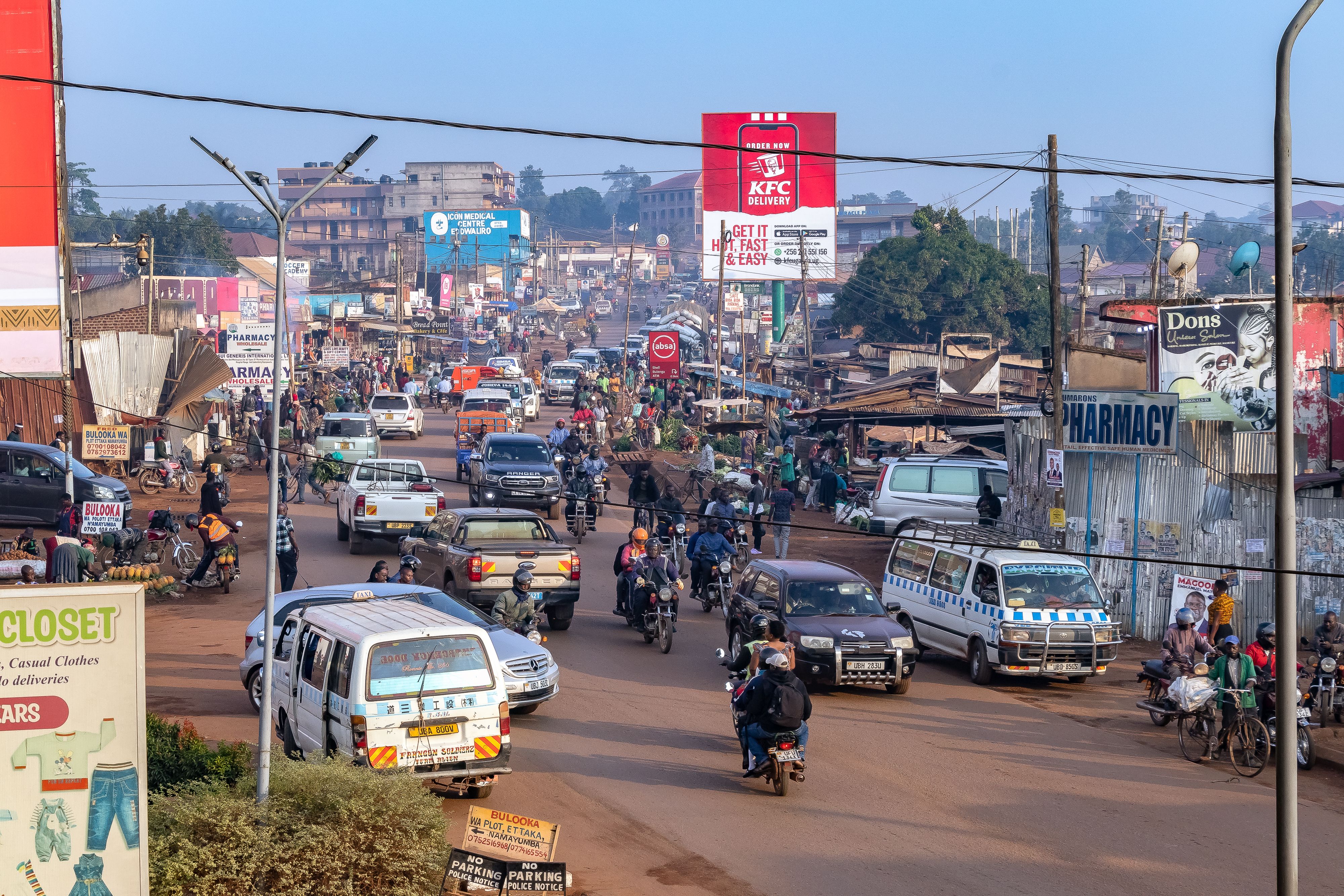
The load-shedding schedule for Sister Achola's neighborhood in Kireka had power going off at 6am sharp on Saturday and not returning until well past midnight. She knew this the way everyone in the area knew it — pinned to the fridge, half-memorized, factored into when you charged your phone and when you didn't bother. What she hadn't planned around was that Saturday was also the day her church's Sunday morning reminder was due to go out, and her laptop, the one she usually used to log into the church's messaging tools, would be sitting dead on her desk with no power in sight until the reminder window had already passed.
She remembers the specific panic of it — 5:52am, watching the lights flicker, doing the math on how much charge was left in her laptop and her phone, and realizing neither would survive long enough to matter. In the old system, this would have simply meant the reminder didn't go out, or went out very late from wherever she could find power — a shop with a generator, a relative's house across town, a boda ride to an internet café that may or may not have been open that early.
Why this used to actually matter
Sending a bulk SMS the old way meant being at a working device, logged into a portal, with functioning power and a live connection, at the exact moment you needed to compose and hit send. If load-shedding hit your neighborhood on the wrong morning, the reminder simply waited for you — and church reminders, unlike most messages, are genuinely time-sensitive. A Sunday service reminder sent at 2pm on Sunday afternoon isn't a reminder anymore, it's a receipt.
This is a real, recurring problem in Uganda specifically, where scheduled outages are a fact of life in many neighborhoods rather than a rare event, and they don't politely avoid the mornings you need power most.
What actually happened that Saturday
What saved Sister Achola's Saturday wasn't a generator or a lucky boda ride to a café. It was that she'd set the reminder up days earlier as an automated event reminder — configured once, tied to the Sunday service, set to fire automatically a certain number of hours ahead of the event, going out by SMS to active members on its own. She hadn't needed to be at a laptop at all that morning. The system doesn't run on her home power or her home internet connection — it's a cloud-based send, sitting on infrastructure that isn't sitting on her desk in Kireka.
She found out it had actually gone out the way she finds out most things now — she checked her phone once power came back to a neighbor's generator-charged router around 9am, and there it was in message history: sent, with a breakdown of how many had gone through cleanly, hours before she'd have been able to send anything manually. The reminder had gone out on schedule, at the hour it was supposed to, entirely without her.
What this doesn't promise
It's worth being honest about what this does and doesn't solve. If a recipient's own phone is off because their power is out and their battery died, no platform delivers a message to a dead phone — that's a limitation on the receiving end that no sender can fix, load-shedding or not. What changed for Sister Achola wasn't guaranteeing every single member received the message the instant it sent; it was that the sending itself no longer depended on her personal power supply, her laptop's battery, or her ability to physically reach a working connection at the right hour. That's a meaningfully different problem than the one she used to have, even if it's not a promise that every phone in Kireka stayed charged that day too.
A generic bulk SMS portal, to be fair, would have the same underlying advantage here if she'd set up a scheduled send within it — the send itself running on the platform's servers rather than her own device is not unique to FaithDash. What was actually missing from that comparison, for her, was the automation layer: a portal built around uploaded contact lists generally expects a person to log in and press send at the right moment, because it has no built-in concept of "this event, this many hours before it starts, do this on your own." That's the part that meant she didn't have to race her own power outage in the first place.
What this actually costs
The reminder itself was a short, single-part message at UGX 35 per recipient, drawn from the church's prepaid balance same as always — load-shedding didn't change the price, and there's no premium "runs during an outage" tier, because there doesn't need to be.
Sister Achola still keeps the schedule pinned to her fridge. She just doesn't build her Sunday reminders around it anymore. The relief wasn't that the power came back sooner. It was realizing, at 9am with a dead laptop and a charged phone, that the thing she'd been dreading all morning had already quietly taken care of itself.